The Catalyst: Inside the Plug-In Labs Energy Innovation Summit
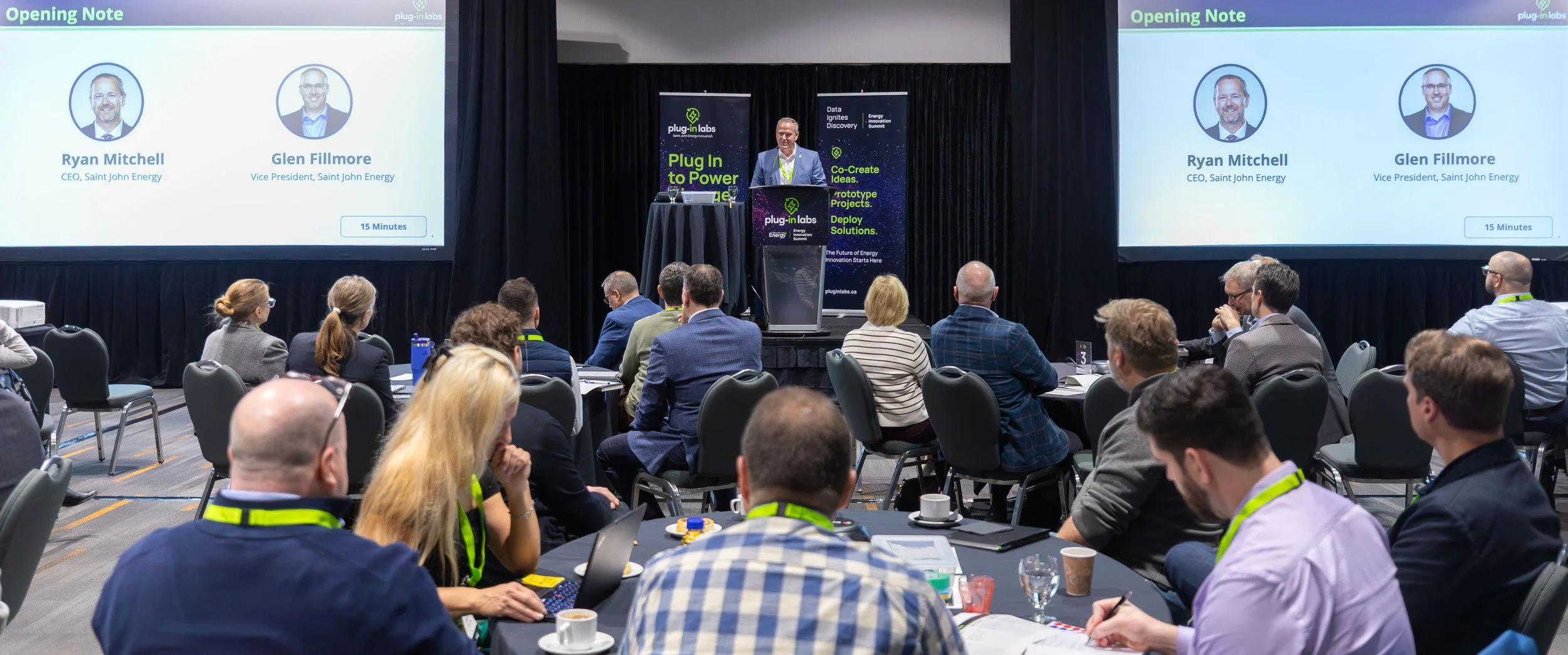
Early-stage gathering generates initial pilot project ideas
By Glen Fillmore
On June 5, Saint John Energy officially launched Plug-In Labs, a new platform designed to help researchers, entrepreneurs, utilities, and industry partners work together to solve some of the biggest challenges facing the energy sector.
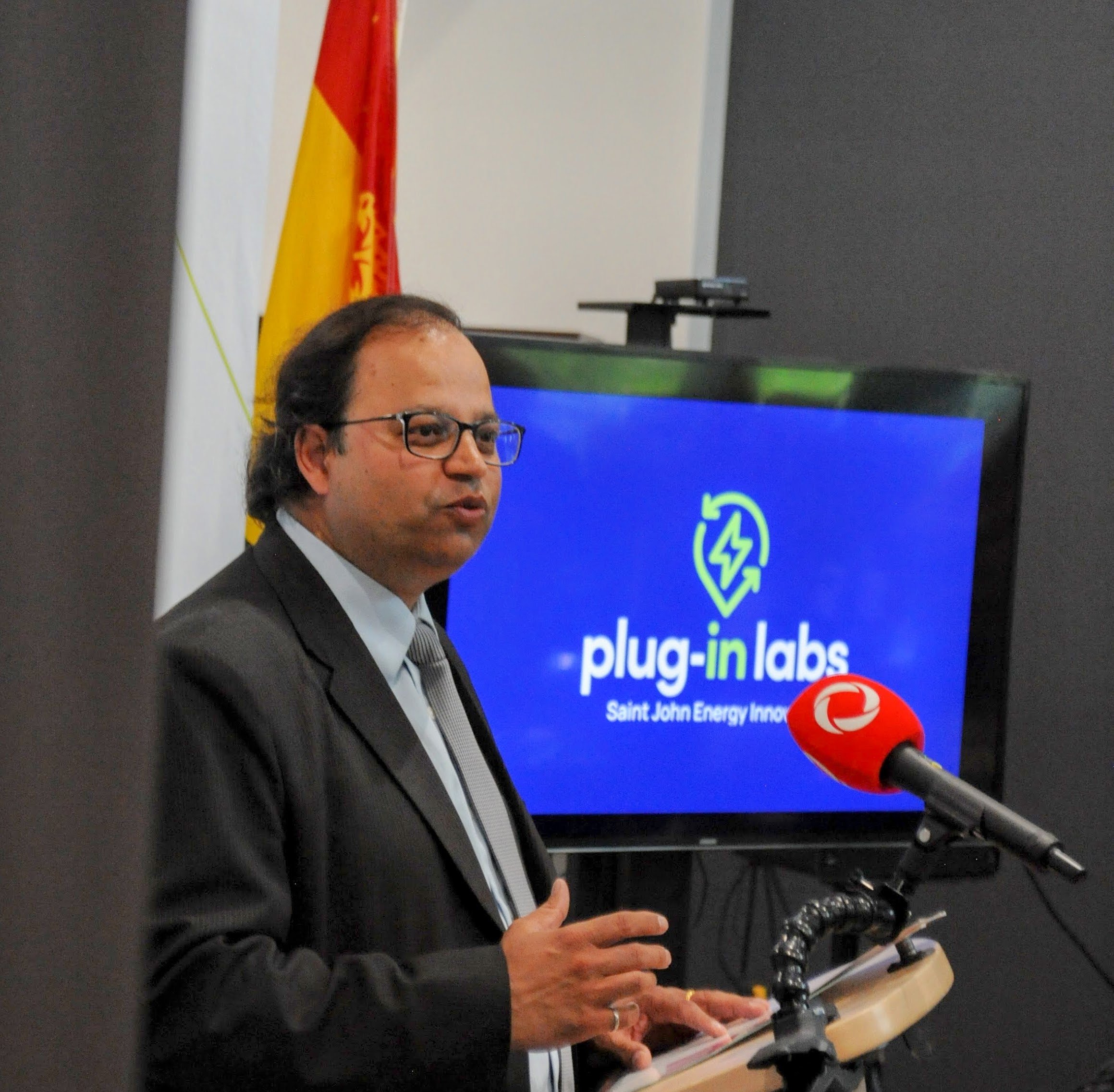
Dr. Dhirendra Shukla, Professor and Chair in Technology Management and Entrepreneurship at the University of New Brunswick at the launch of Plug-in Labs in the Saint John Energy lobby, June 5.
Built on the idea that access to real utility data can unlock new opportunities for innovation, collaboration, and economic growth, Plug-In Labs gives innovators the tools, support, and real-world testing environment needed to turn promising ideas into practical solutions.
Before the launch, we were busy laying the groundwork for Plug-In Labs, including our first Energy Innovation Summit on Nov. 4, 2025. We invited around 50 researchers, entrepreneurs, ecosystem partners, utilities, and industry leaders to a design challenge that generated early-stage ideas, including Plug-In Labs’s inaugural pilot projects.
The summit would prove to be a highlight of my time at Saint John Energy, with a spirit of innovation and collaboration that took me back to the start of my career at NBTel. Our local phone company tapped into our community’s culture of curiosity, ambition, and experimentation to become a global telecommunications leader. We can do the same for energy.
Complexity requires collaboration
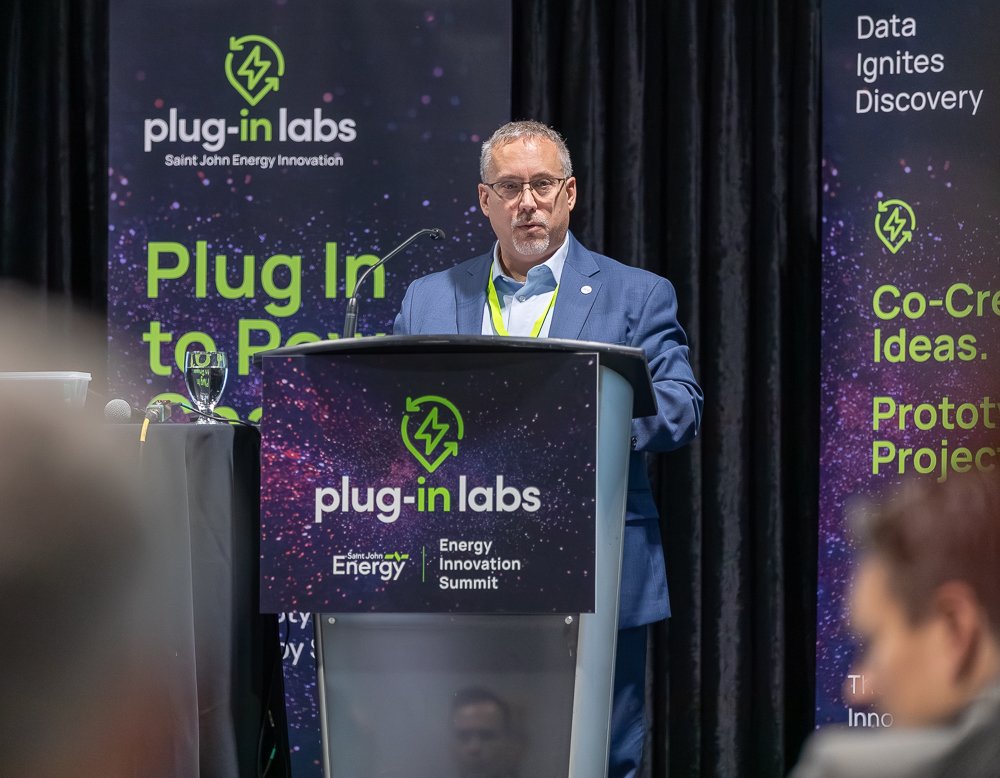
As Ryan Mitchell, CEO of Saint John Energy, noted in his opening remarks at the innovation summit, today’s energy sector challenges are too complex and interconnected for any one organization to solve independently.
Data can drive innovation that will grow the economy.
From affordability and reliability to decarbonization and economic growth, the sector faces problems that cut across industries, disciplines, and traditional organizational boundaries. Yet many of the people working on these challenges rarely have the opportunity to collaborate directly. Even when they do, one critical ingredient is often missing: access to utility data.
Plug-In Labs closes this gap, empowering cross-sector collaboration by providing secure and managed access to Saint John Energy’s smart grid and system data through a digital twin – a virtual replica of the city’s energy grid – where innovators and researchers can run simulations, test prototypes, and validate solutions in a safe virtual environment.
“Data can drive innovation that will grow the economy, tackle climate change, and keep energy affordable,” Ryan told the room at the summit. “But we can’t do it alone.”
“Think big. Start small. Fail fast.”
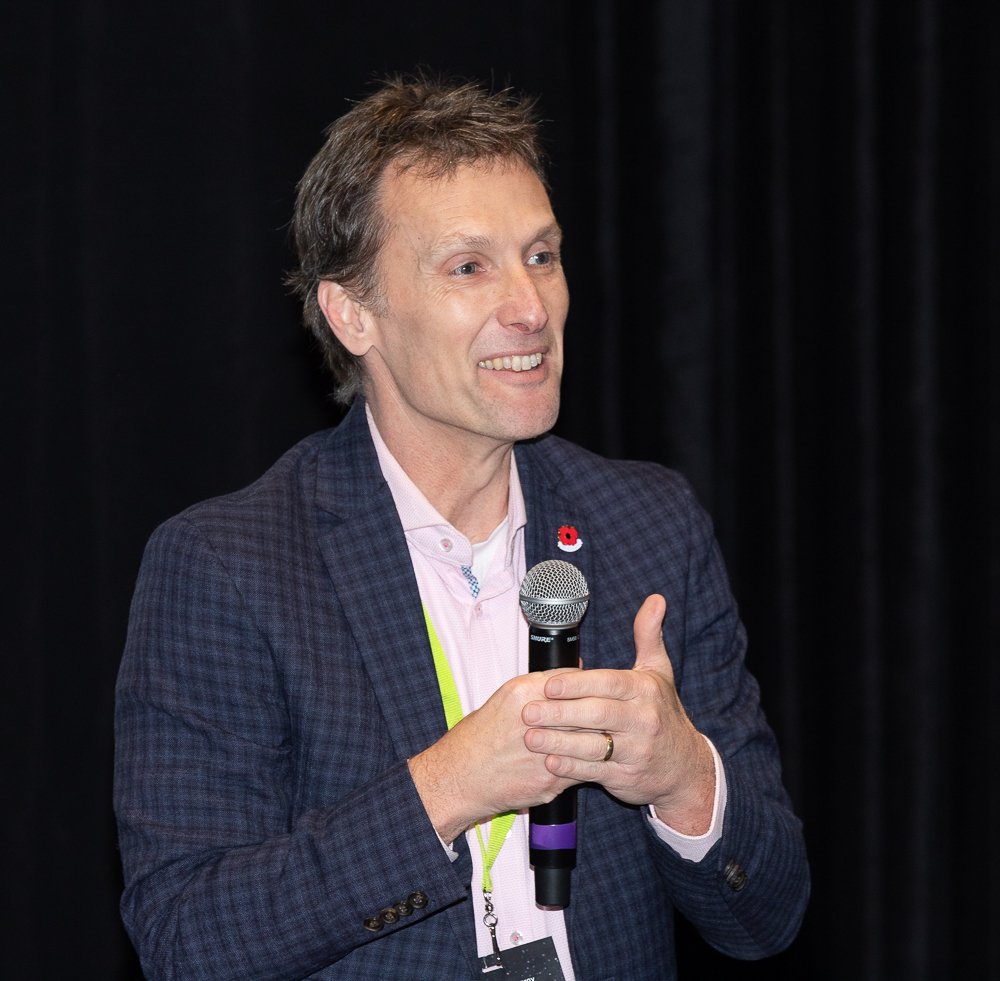
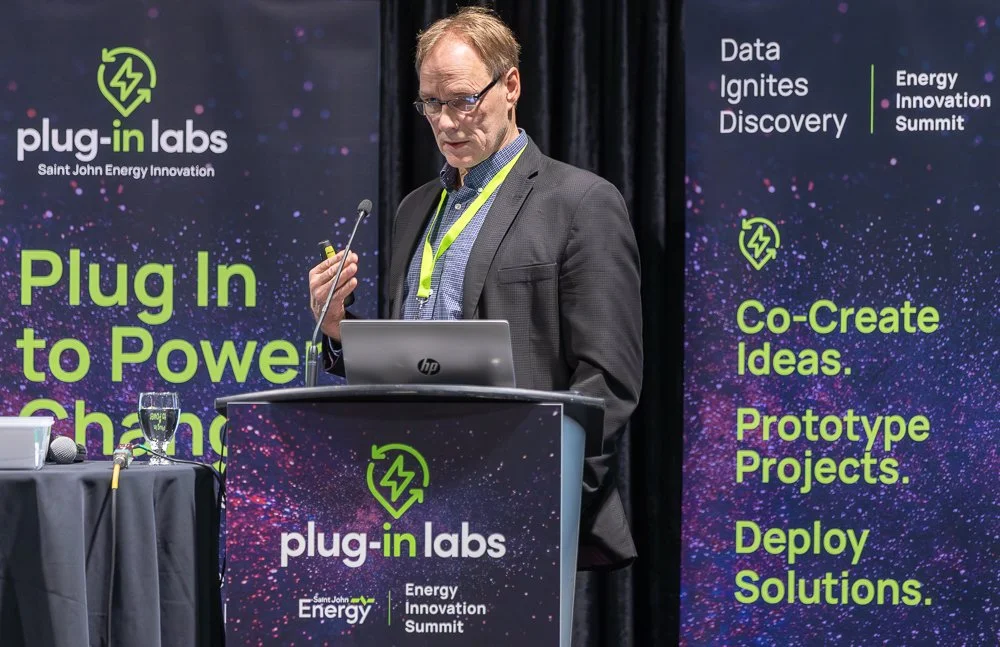
Keynote speaker Adriaan Davidse of Deloitte set the tone for the summit in his talk, The Future of Energy, which drew on examples from technology, history, human behaviour, and the natural world to offer a broader perspective on how transformation happens.
“The future is already enabled, just not fully enacted,” he said. Many of the tools, technologies, and capabilities needed to move forward already exist, but they need new systems and partnerships to unlock them.
Adriaan challenged participants to stay open, think expansively, and resist the temptation to define the future too narrowly, before kicking off the fast-paced day of ideation, refinement, pitching and project selection.
“The time boxes are real,” he said. “We ship today.”
Sprint 1: Frame & Ideate
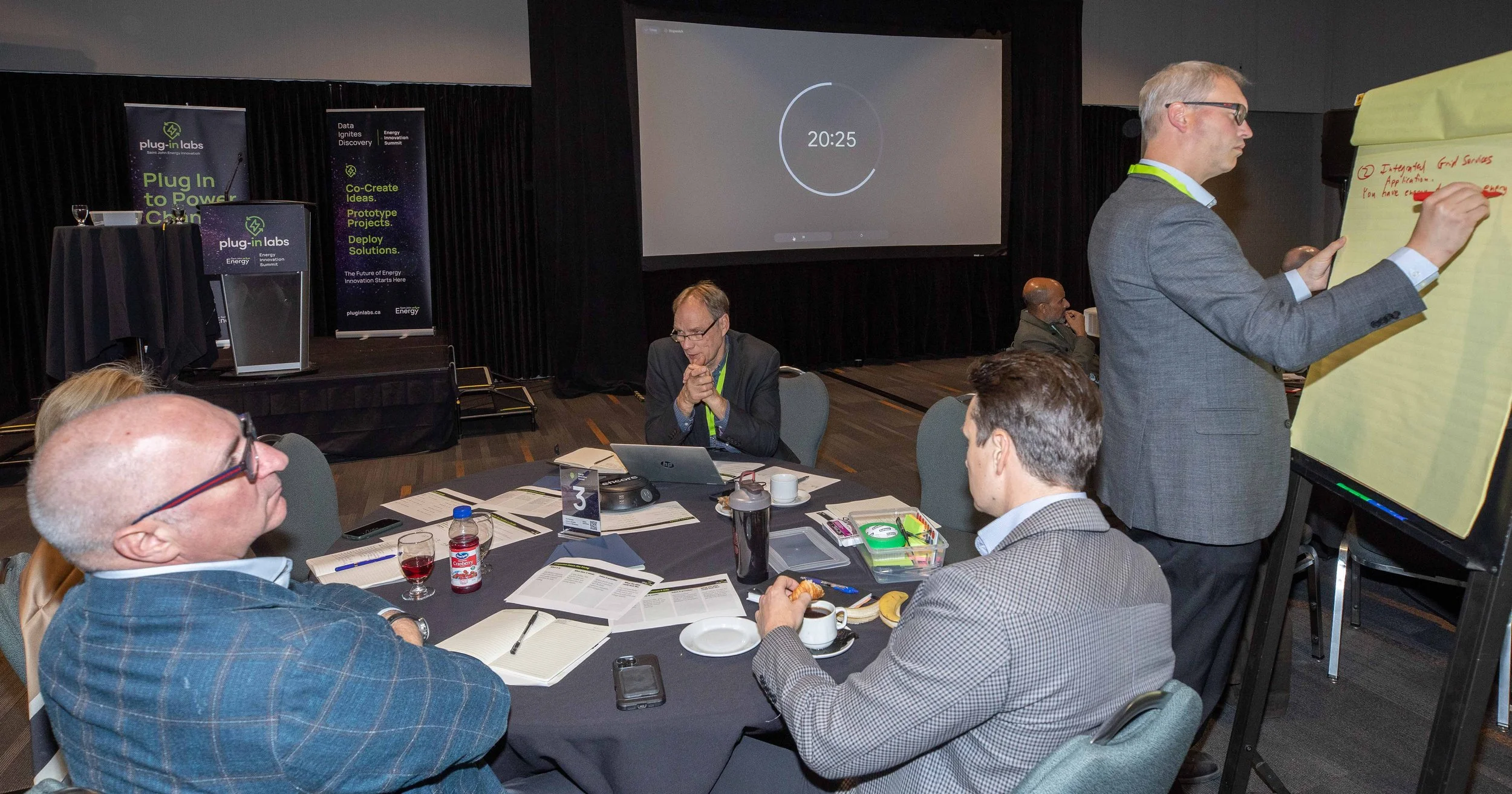
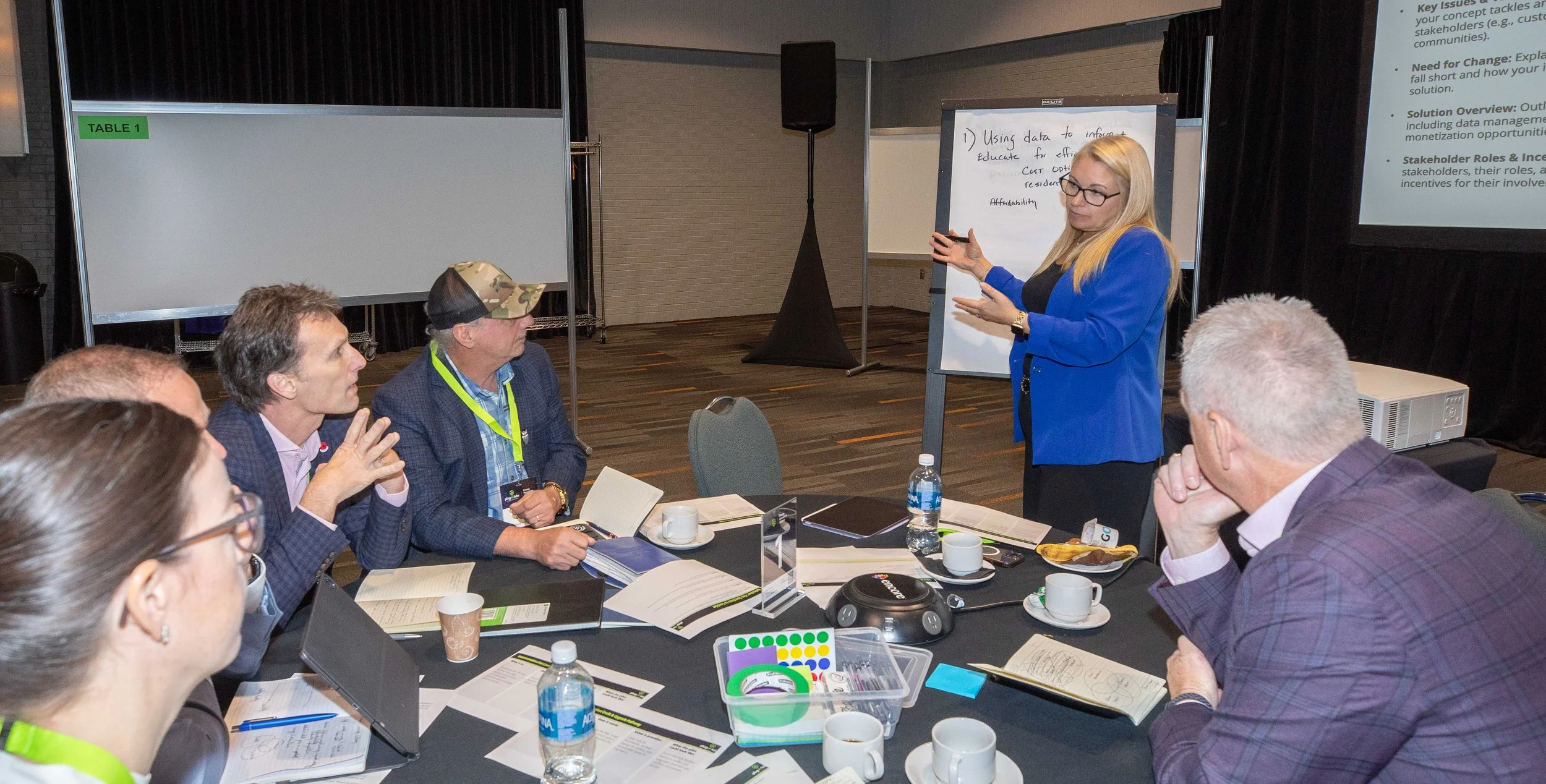
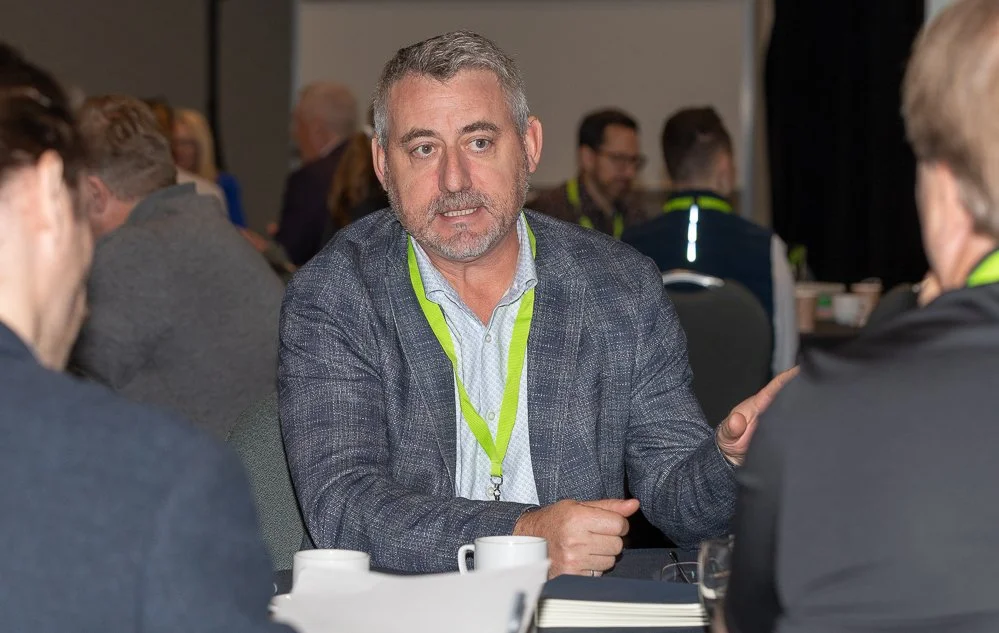
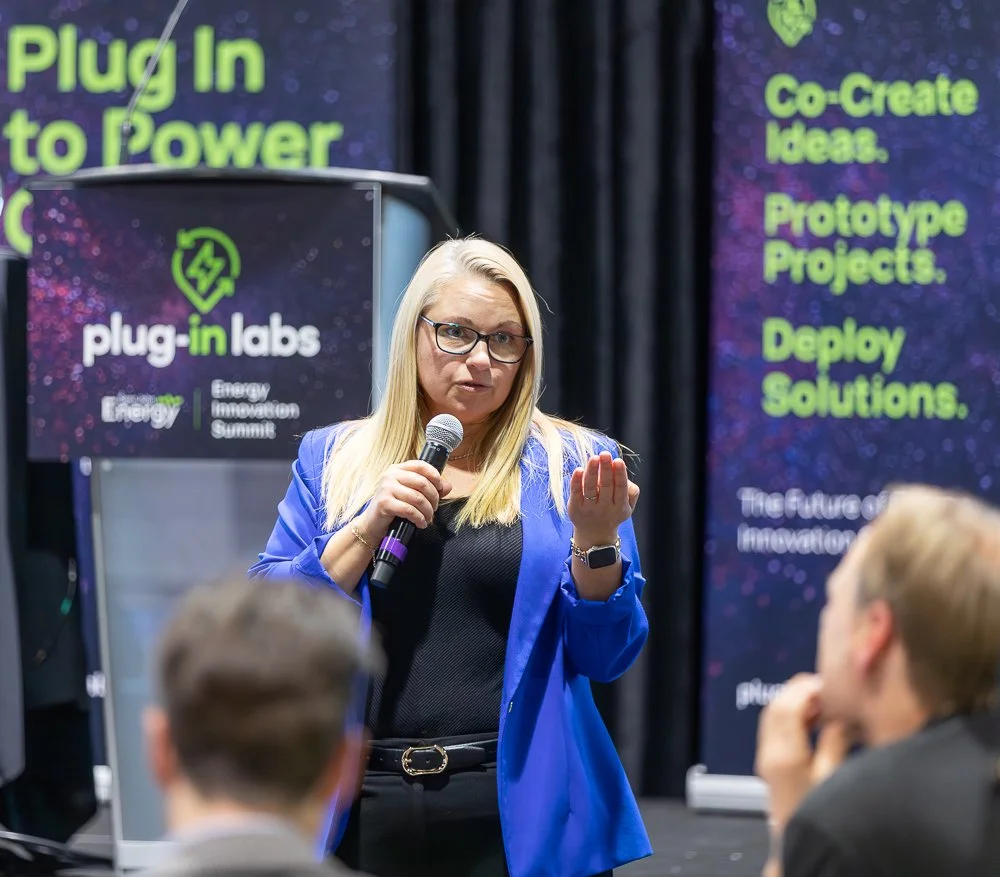
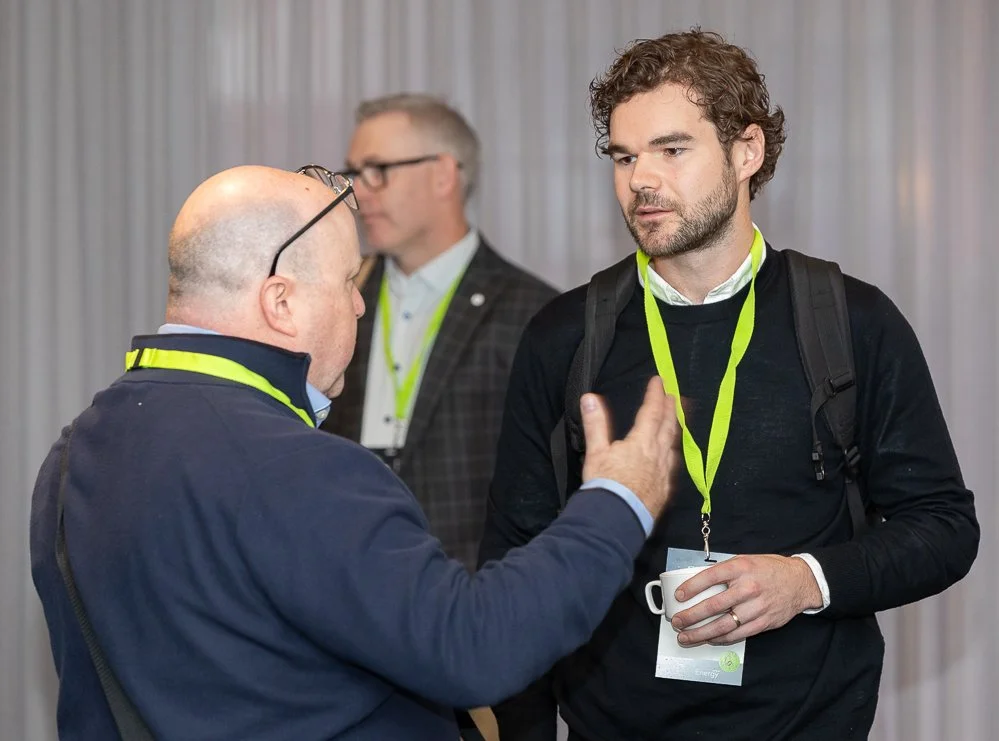
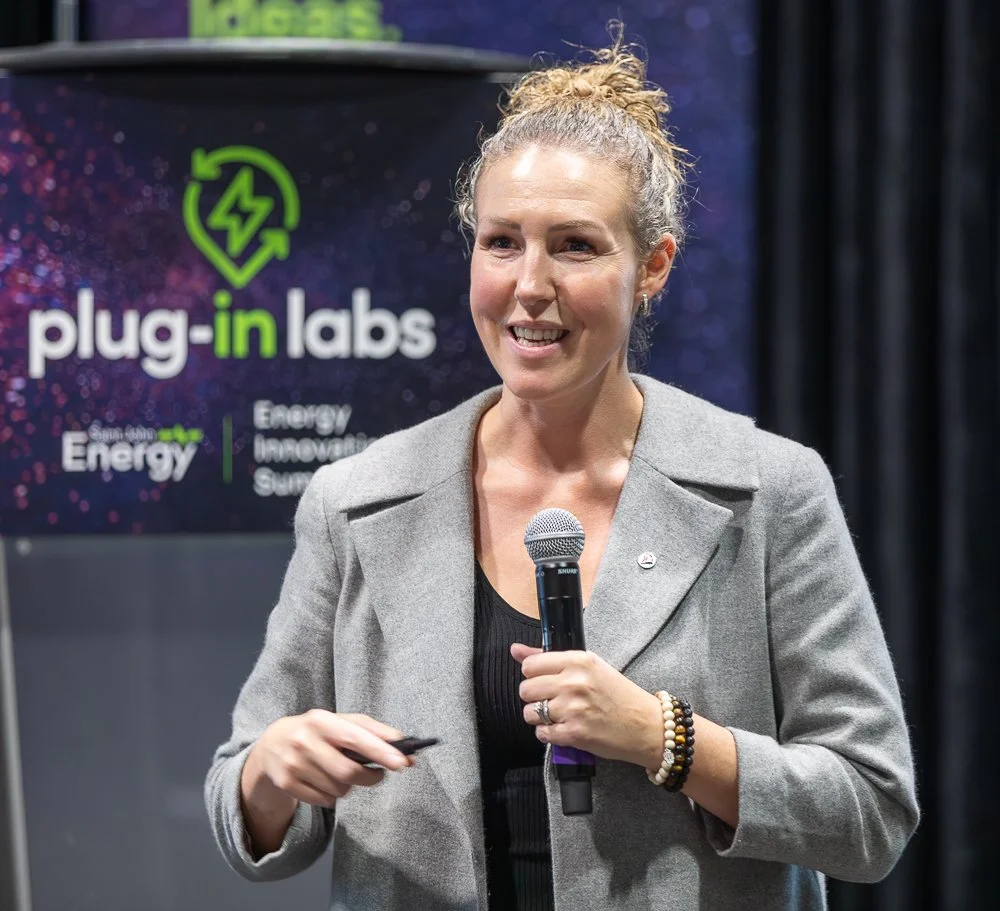
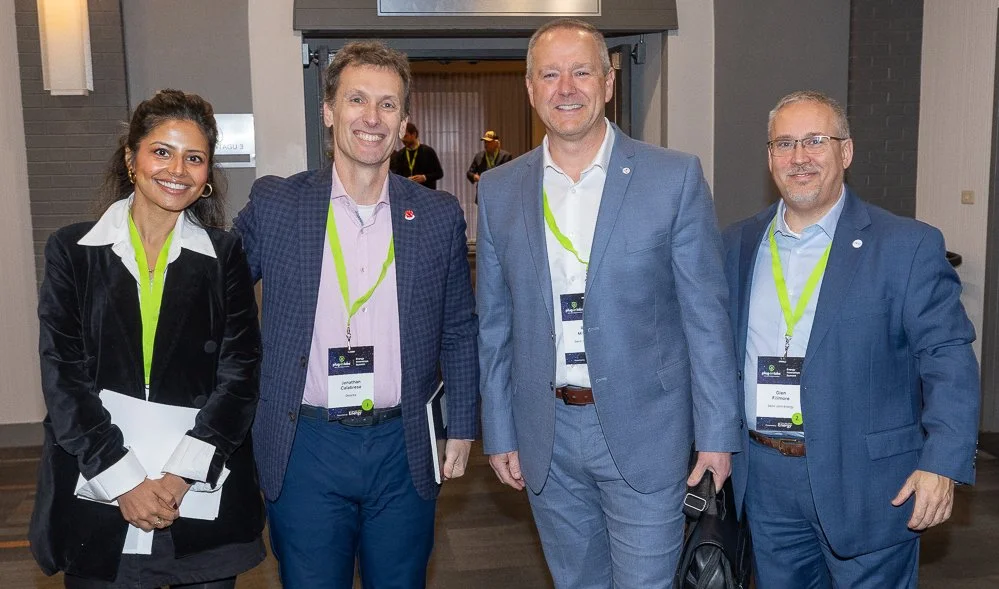
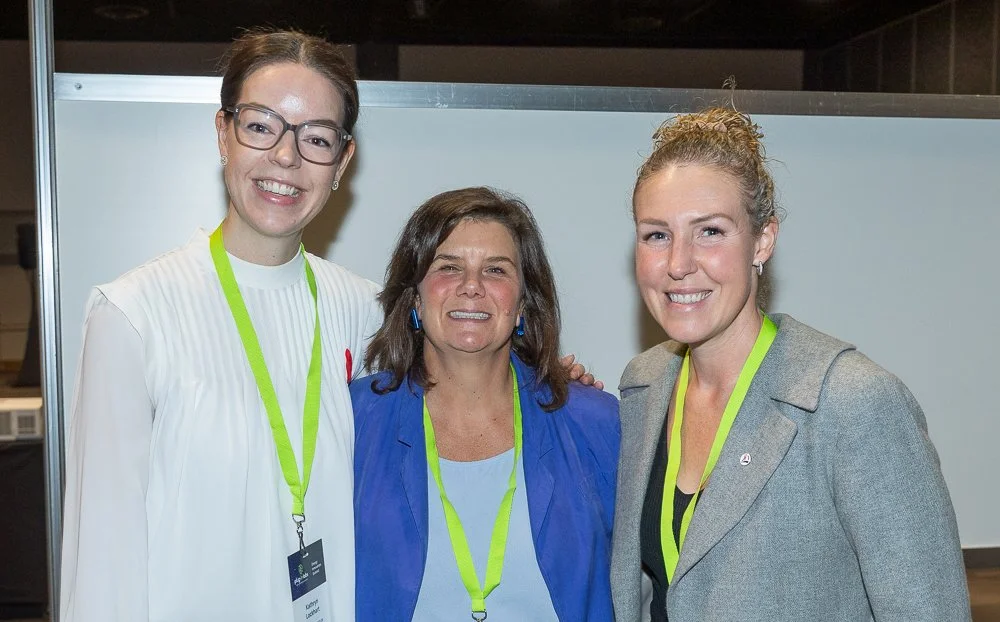
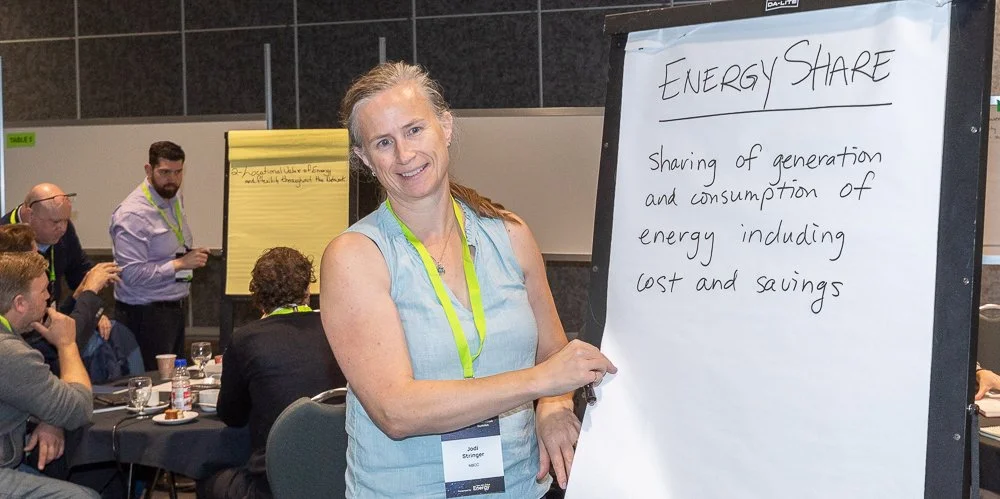
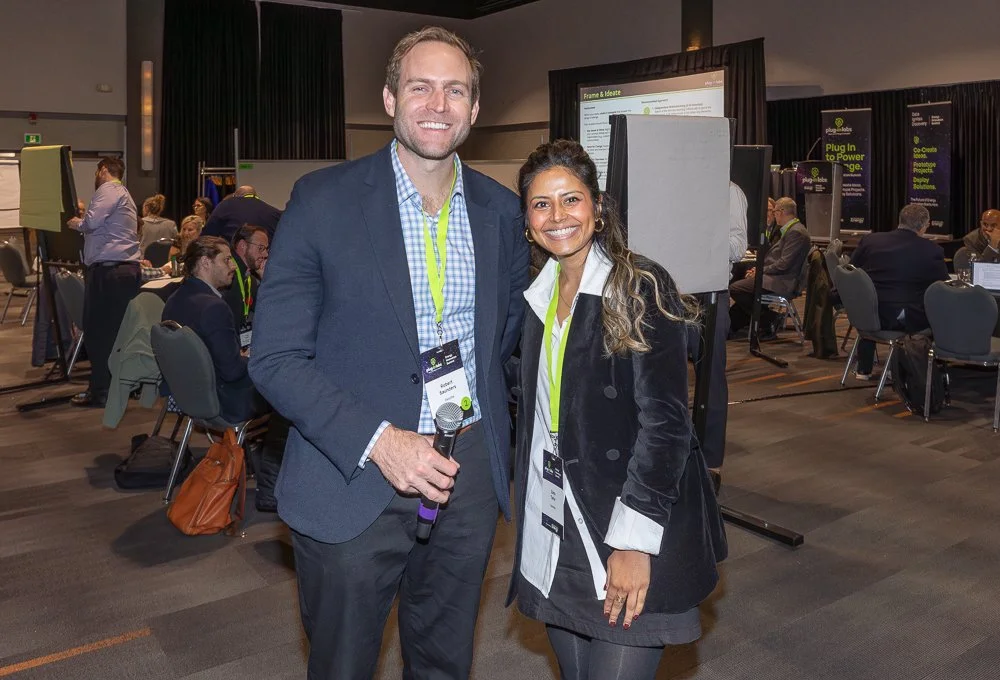
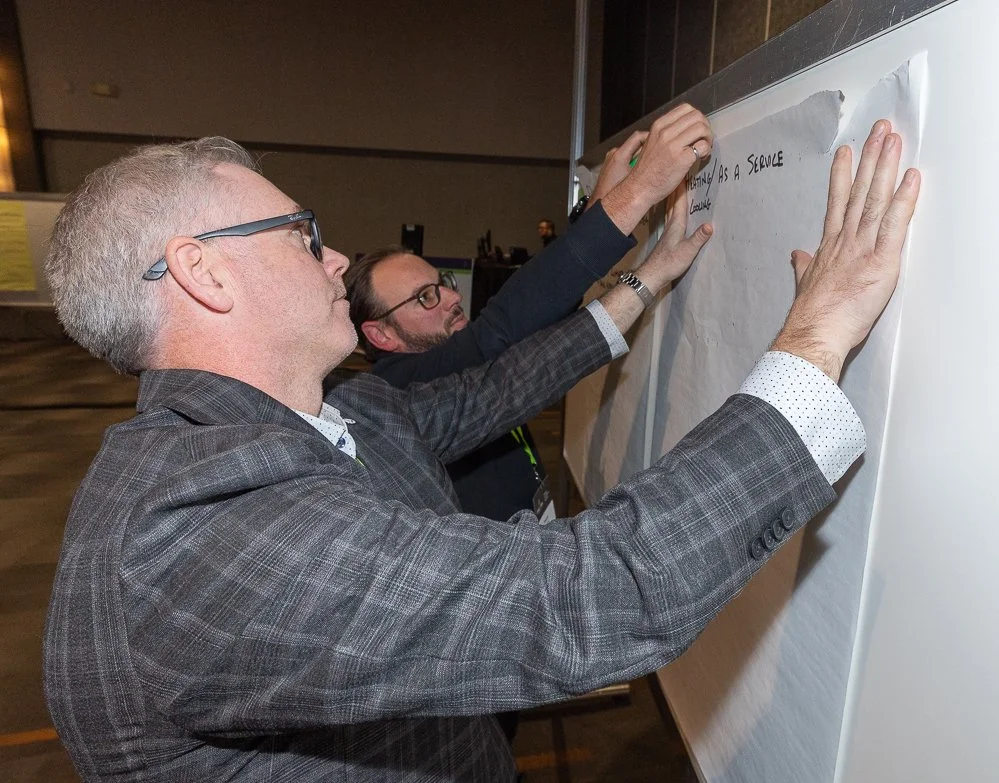
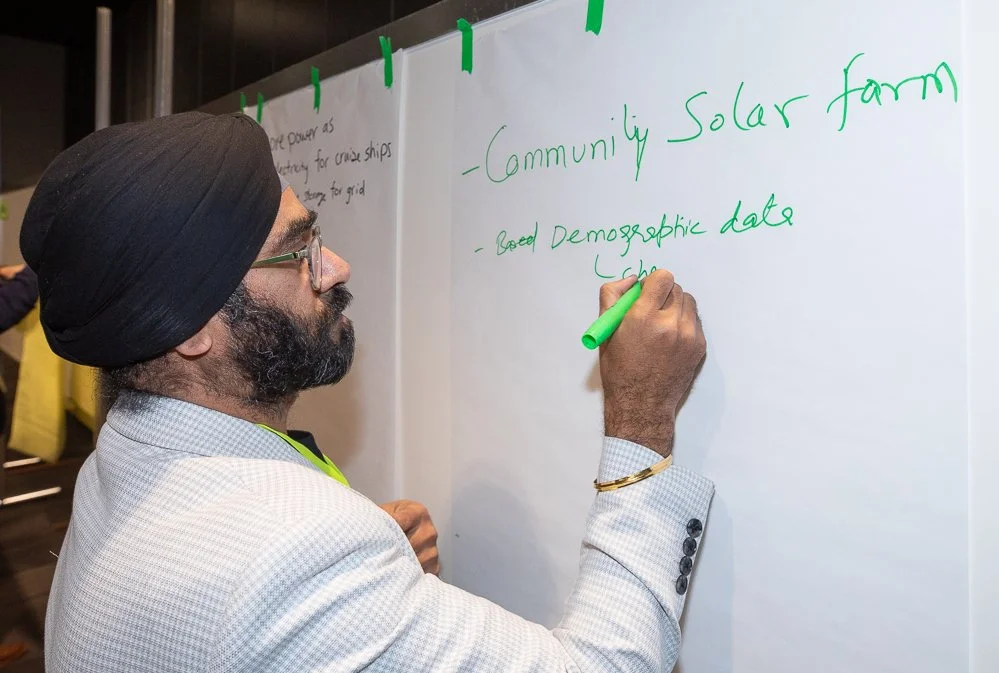
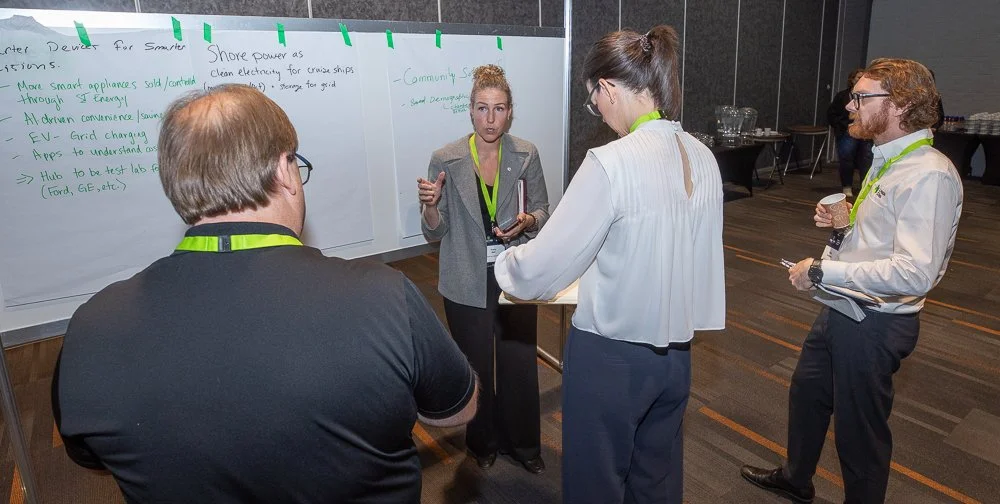
Inspired, the delegates dove into problem-solving.
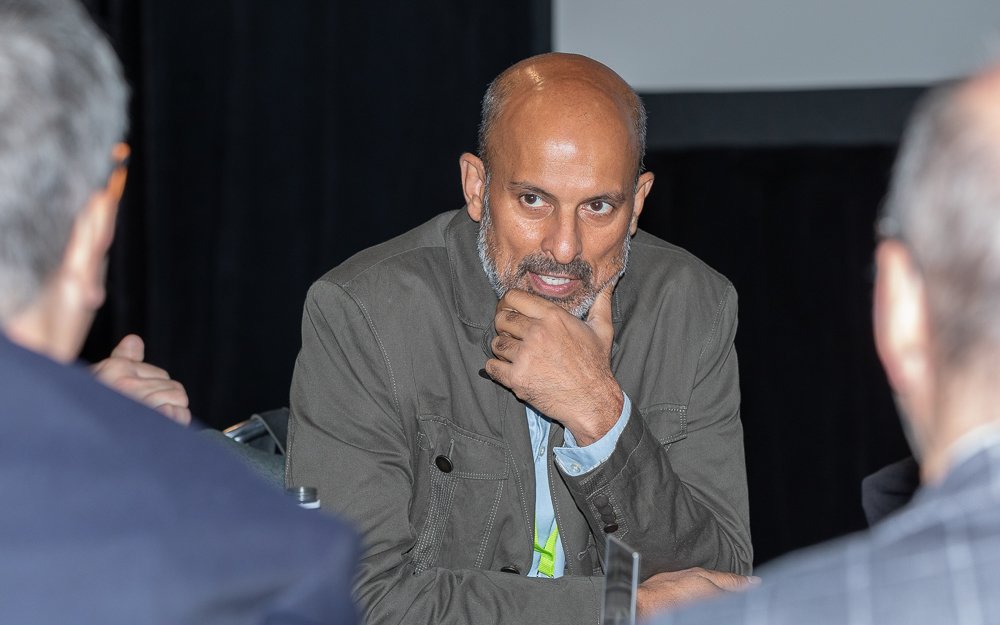
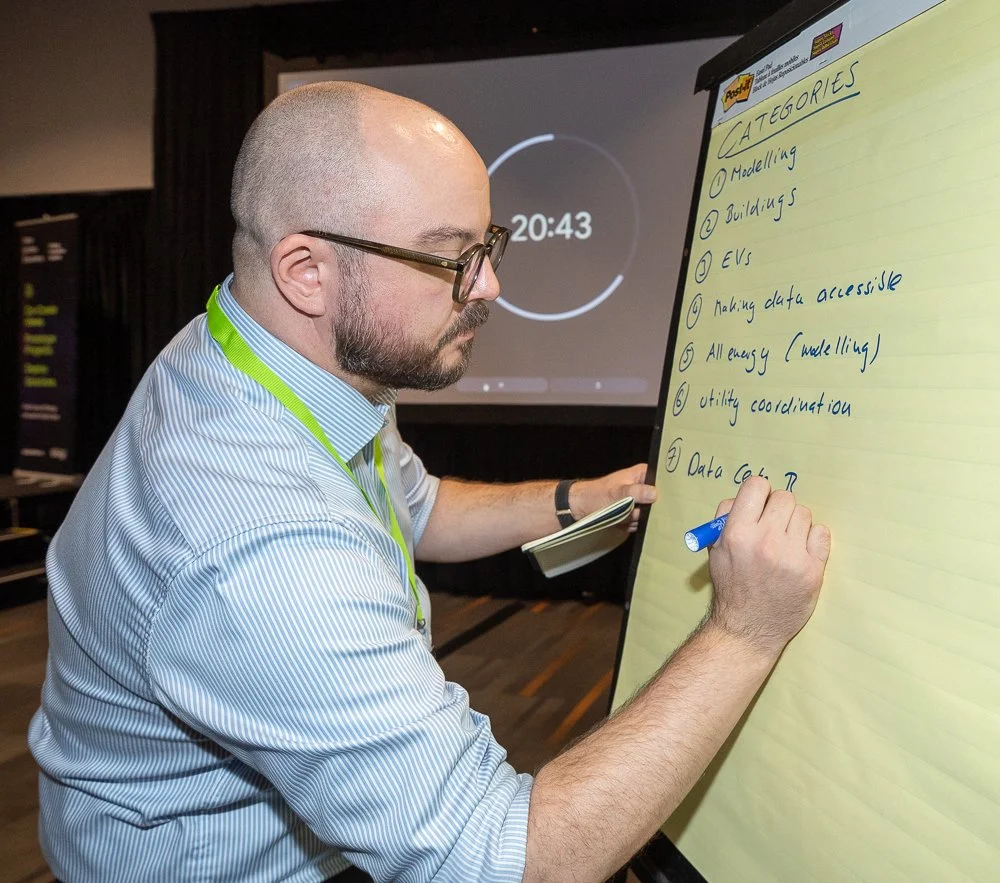
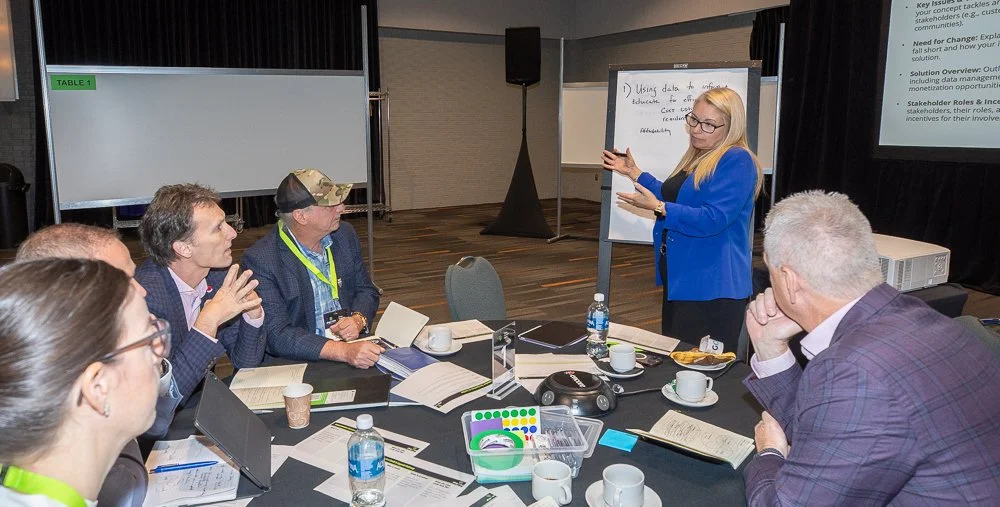
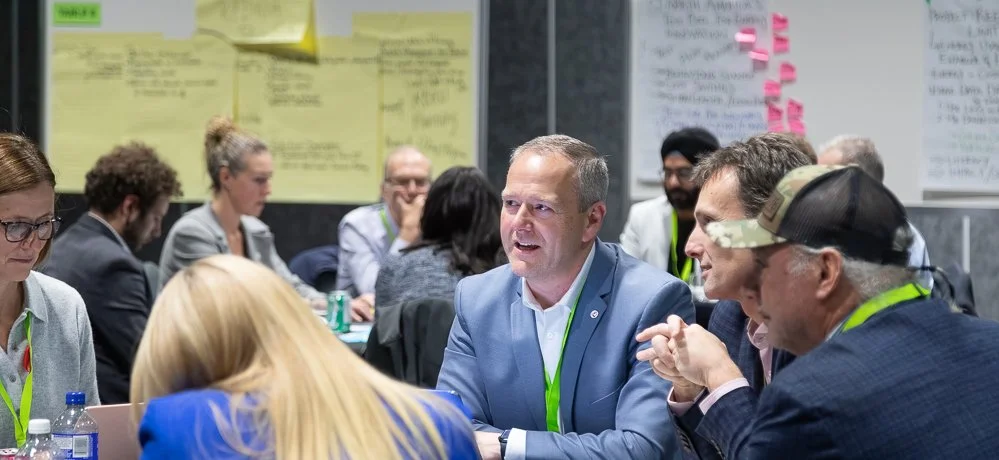
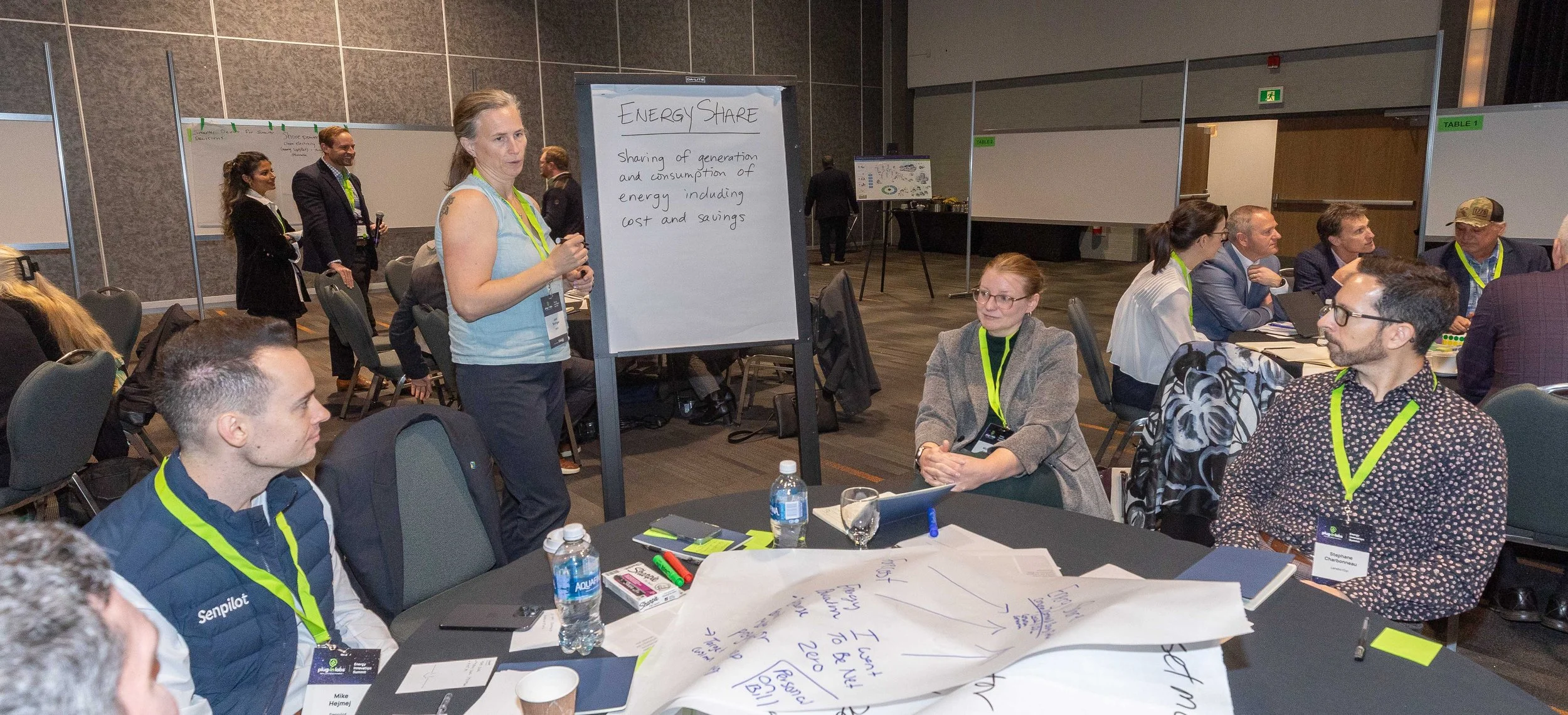
Across seven tables, newly formed teams tackled their first assignment: develop ideas for three open-data projects that could accelerate energy innovation through collaboration.
Researchers sat alongside utility operators, entrepreneurs collaborated with industry leaders, and technology specialists exchanged ideas with policymakers and ecosystem builders, sharing conversations that might not have happened otherwise.
Urged by Adriaan to consider both value and feasibility, they probed and challenged each other.
By the break, whiteboards ringing the room were papered with flipchart sheets charting their best concepts.
“We had so many good ideas that we got to the end, it was a rush to get them on paper,” one delegate said.
Marketplace of ideas
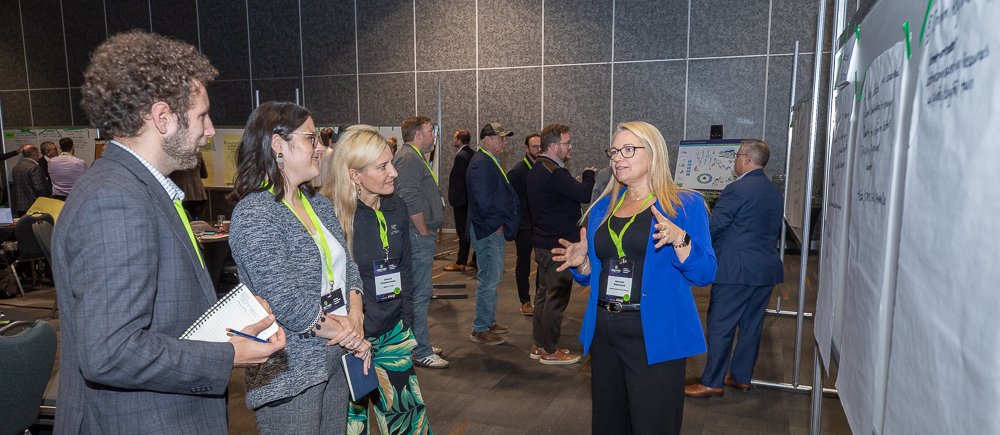
By mid-morning, 21 early-stage project concepts were ready for their first test: the “gallery walk.” Each team left behind a spokesperson while the rest circulated to hear rapid-fire pitches from the other teams.
The projects ran the gamut, from practical tools to help customers better understand and manage their energy use to ambitious concepts exploring how data could inform future infrastructure, investment, and decarbonization decisions.
common themes emerged again and again: affordability, reliability, and sustainability.
One group focused on underserved customers.
“Everybody chases the big guys,” their spokesperson said, before explaining how their ideas could unlock backlogged retrofit work, create new jobs in energy updates, and help combat some of Canada’s highest energy poverty rates.
Another team’s champion spoke about how layering weather, geospatial, and energy data could yield new insights.
One project focused on helping customers better understand and manage their energy use through more accessible information and tools.
Another imagined simulation that could help people explore future choices before making investments.
While the ideas were different, common themes emerged again and again: affordability, reliability, and sustainability.
As one pitchperson said of his team’s project, “It addresses two things people want: be informed and save money.”
Converge, question, refine
After the gallery walk, the teams regrouped to refine their ideas.
Teams borrowed ideas from one another. Concepts became stronger as they added new perspectives into their 60-second “napkin pitch.”
Then, delegates were asked to pressure-test their assumptions: What barriers exist? How would issues like privacy, trust, regulation, financing, adoption, and cybersecurity shape what was possible?
They also considered how they might measure success, quantify impact, and move from an interesting concept to something people will adopt.
Polish and pitch
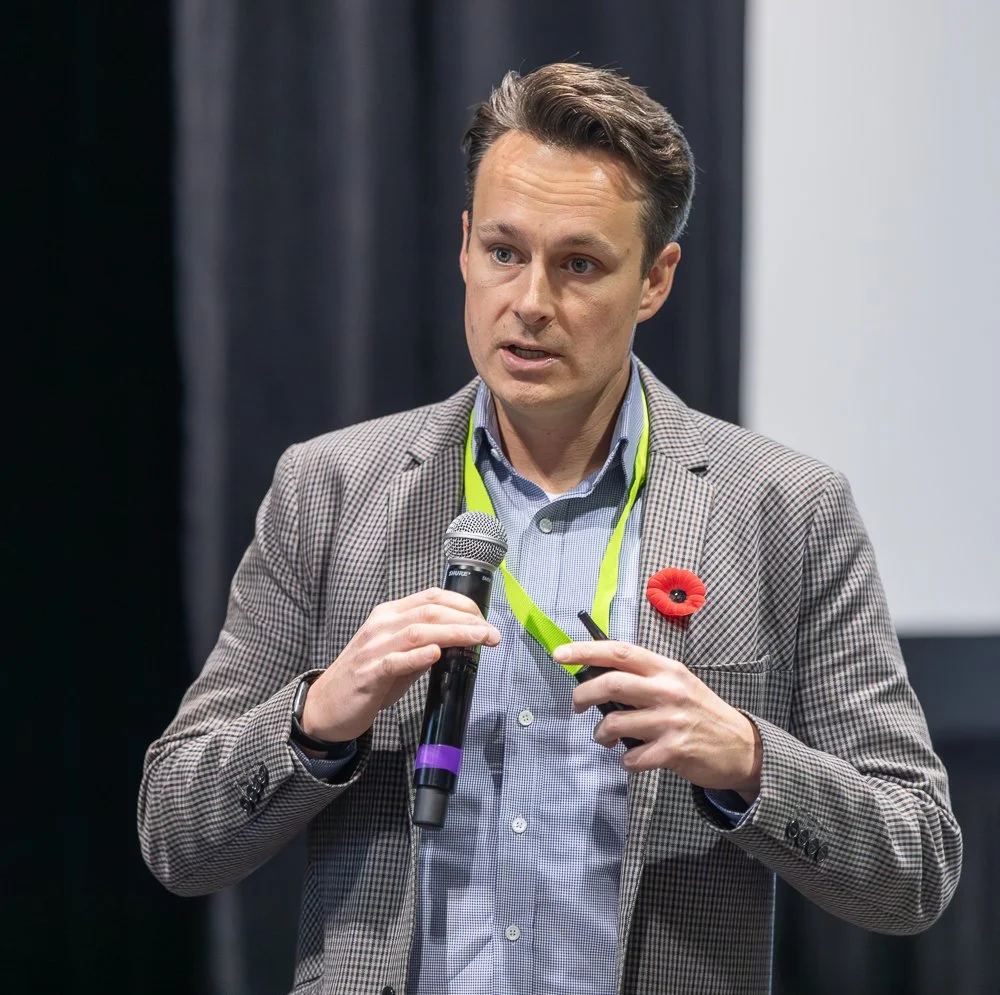
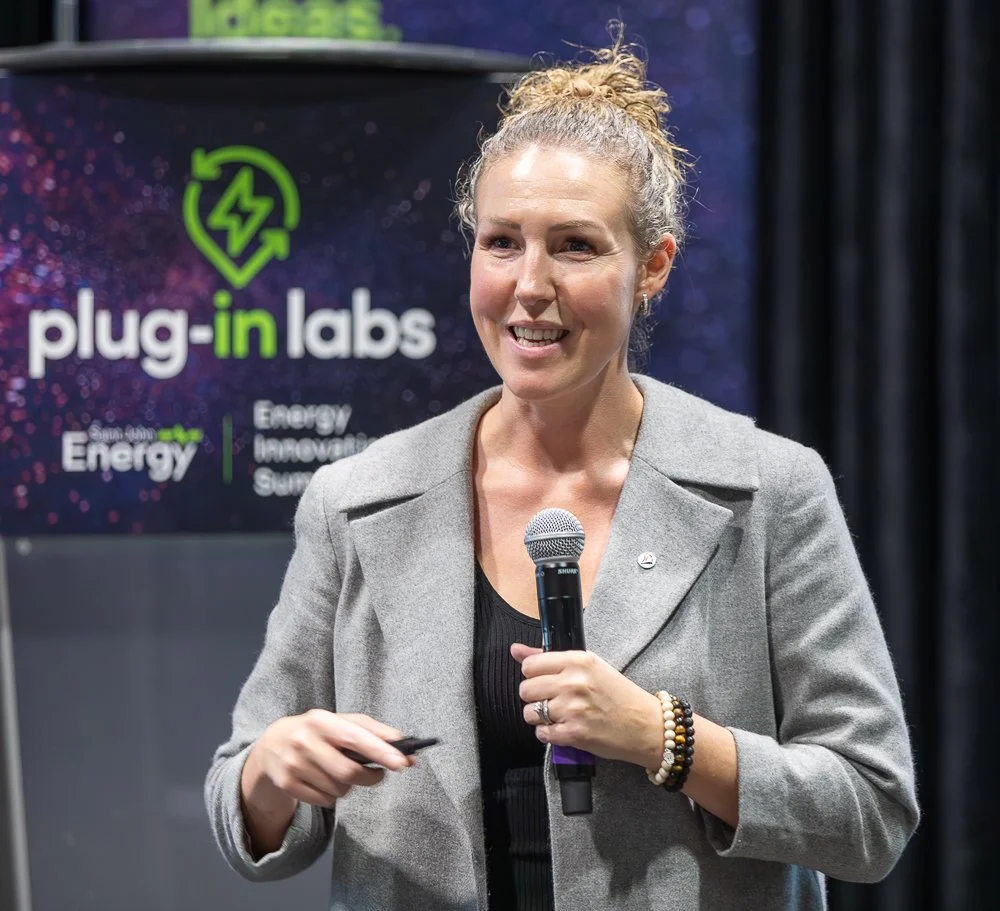
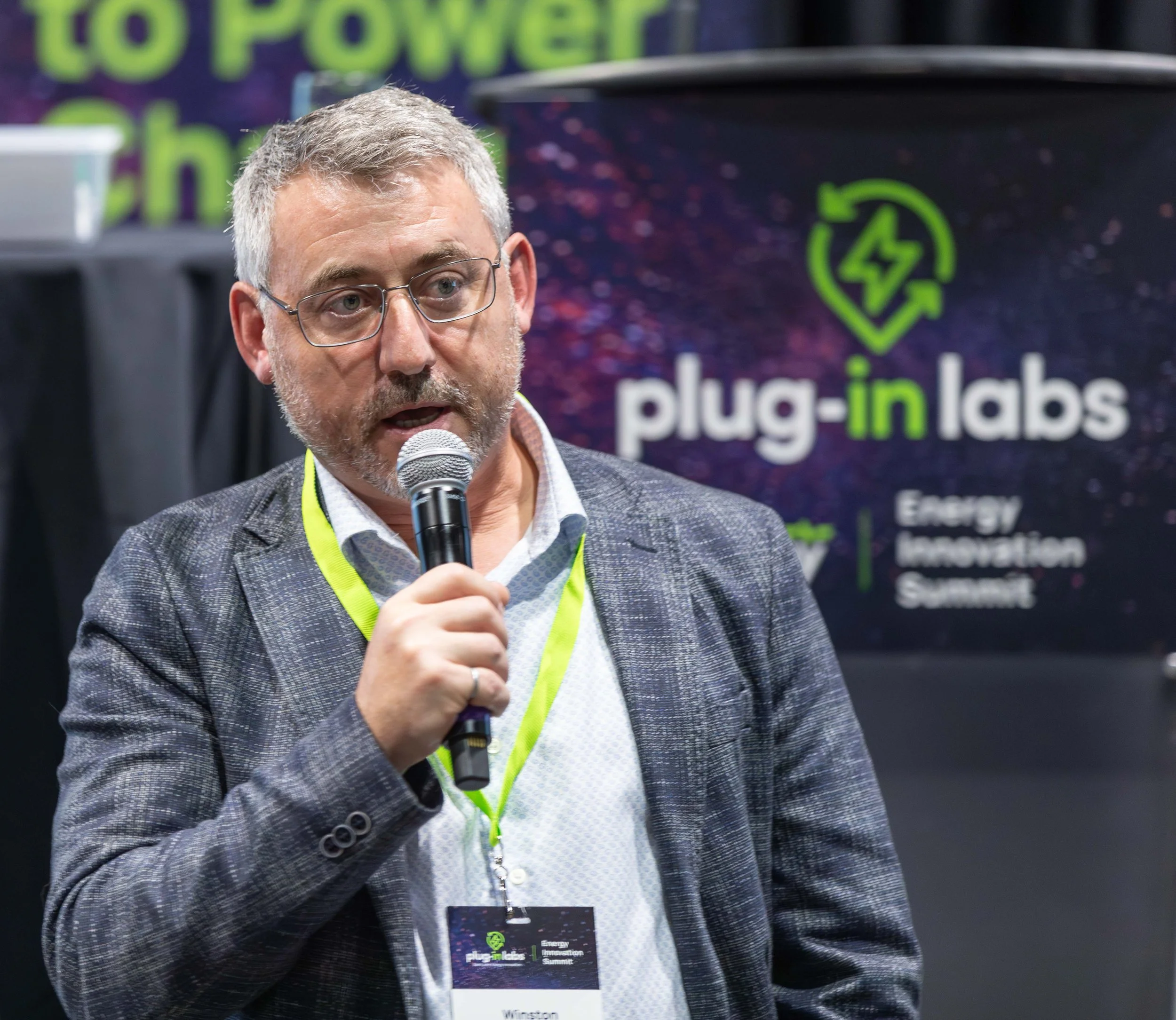
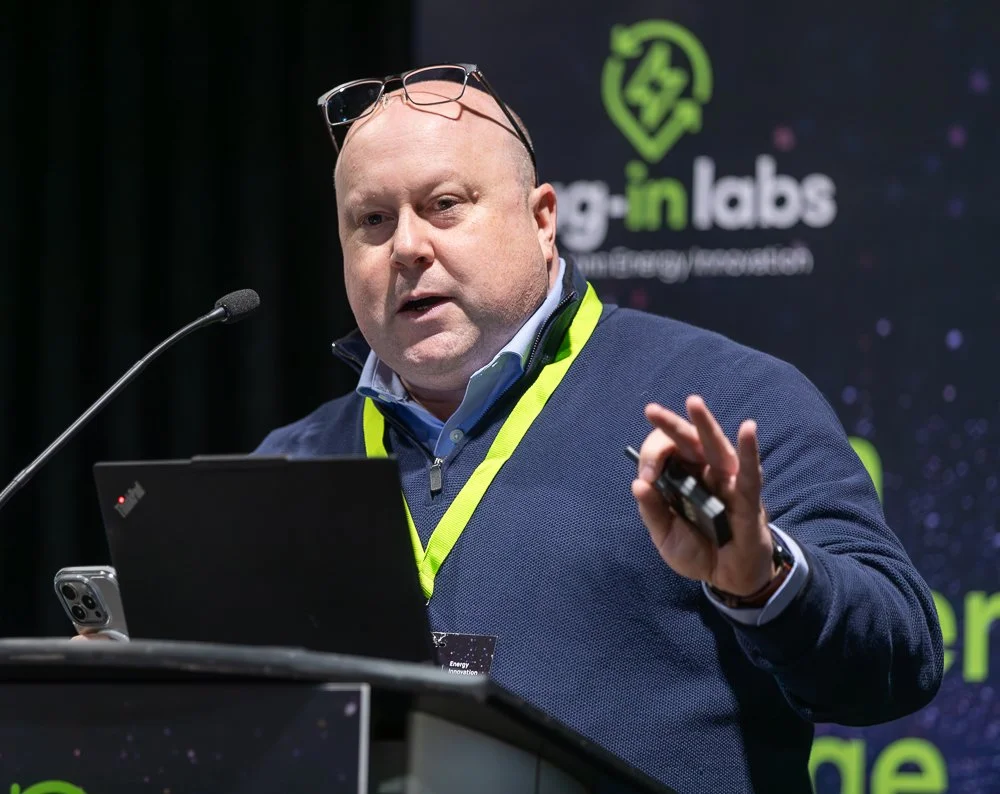
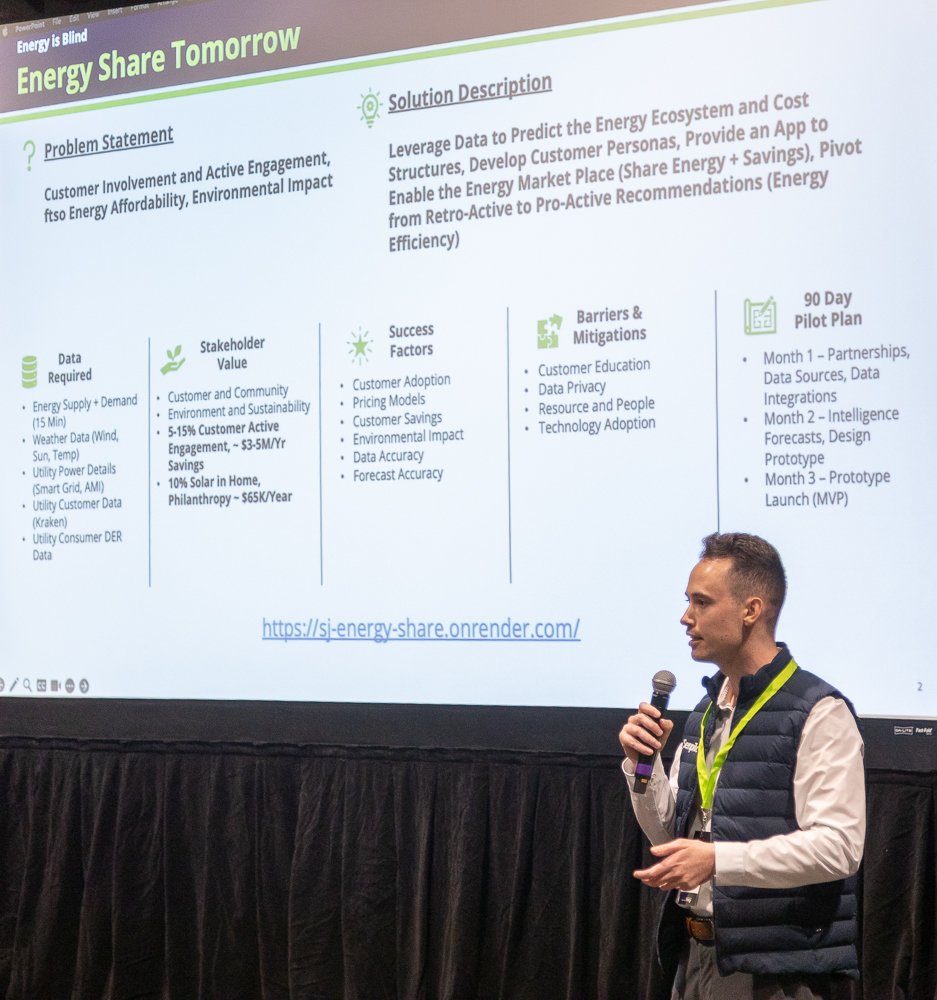
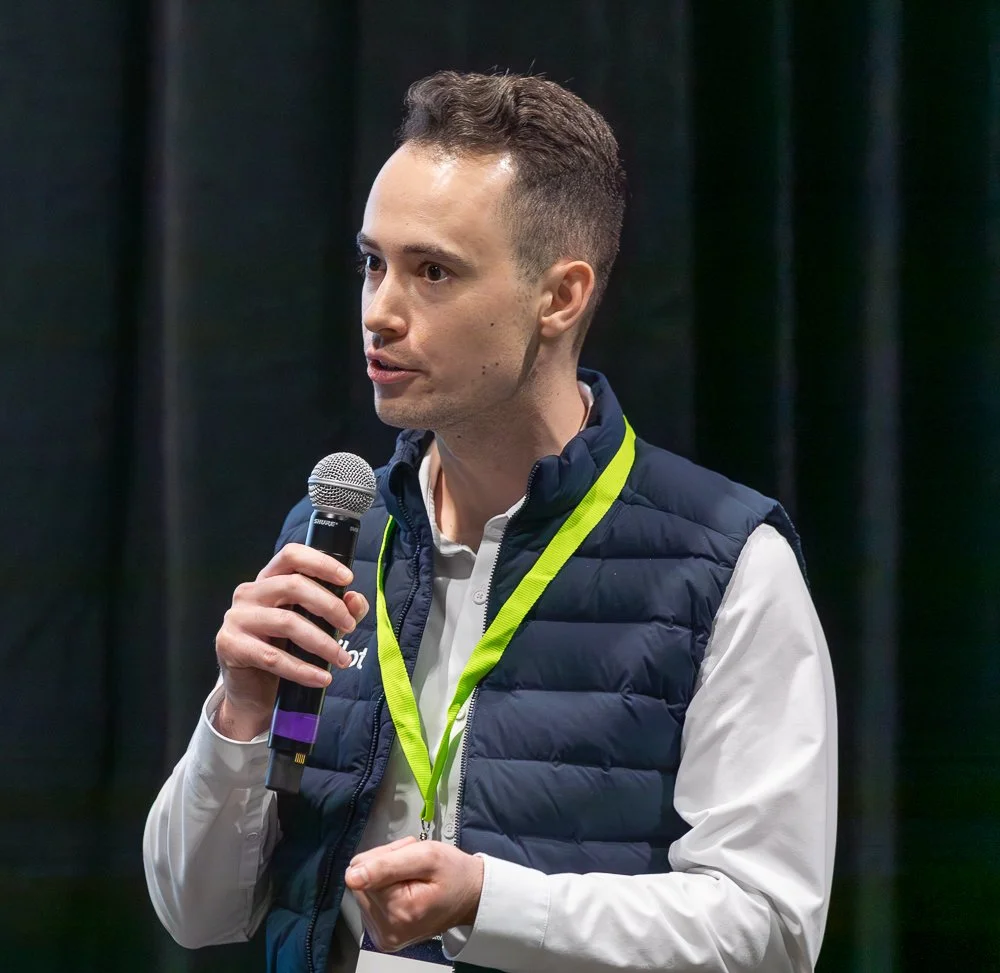
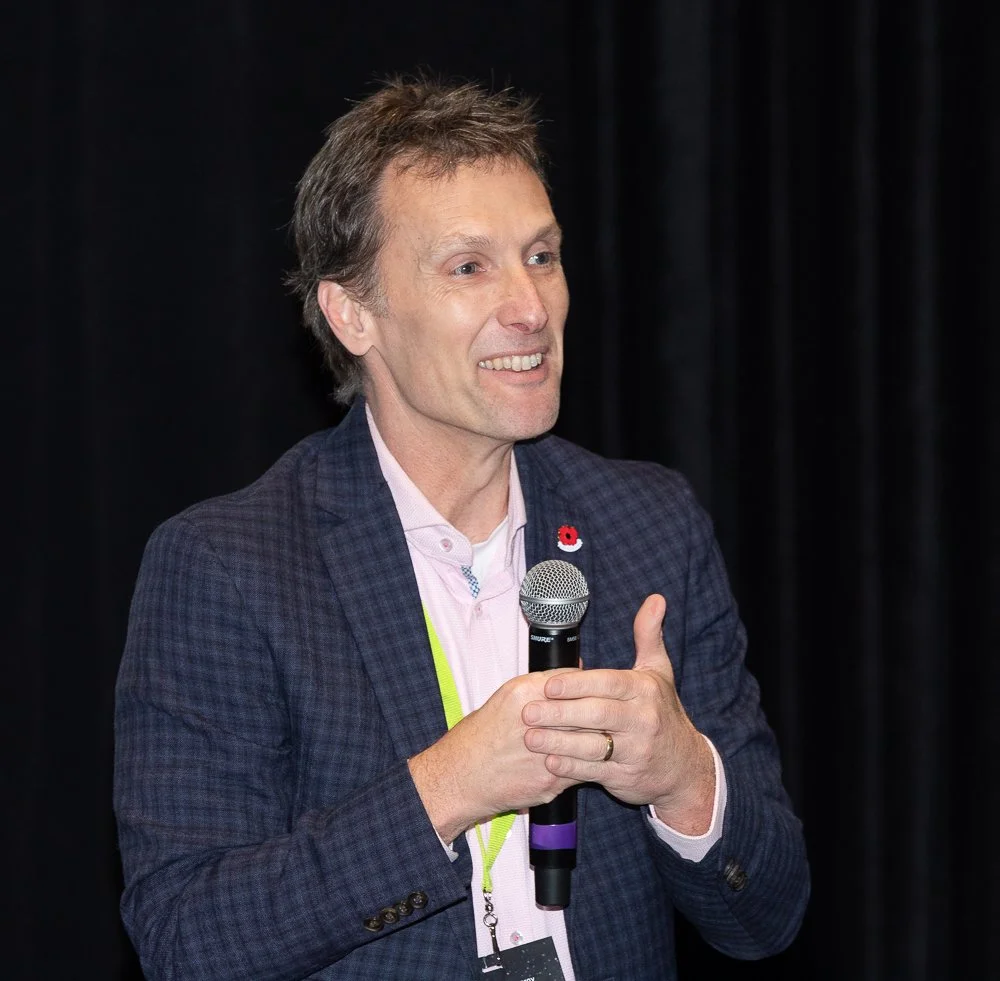
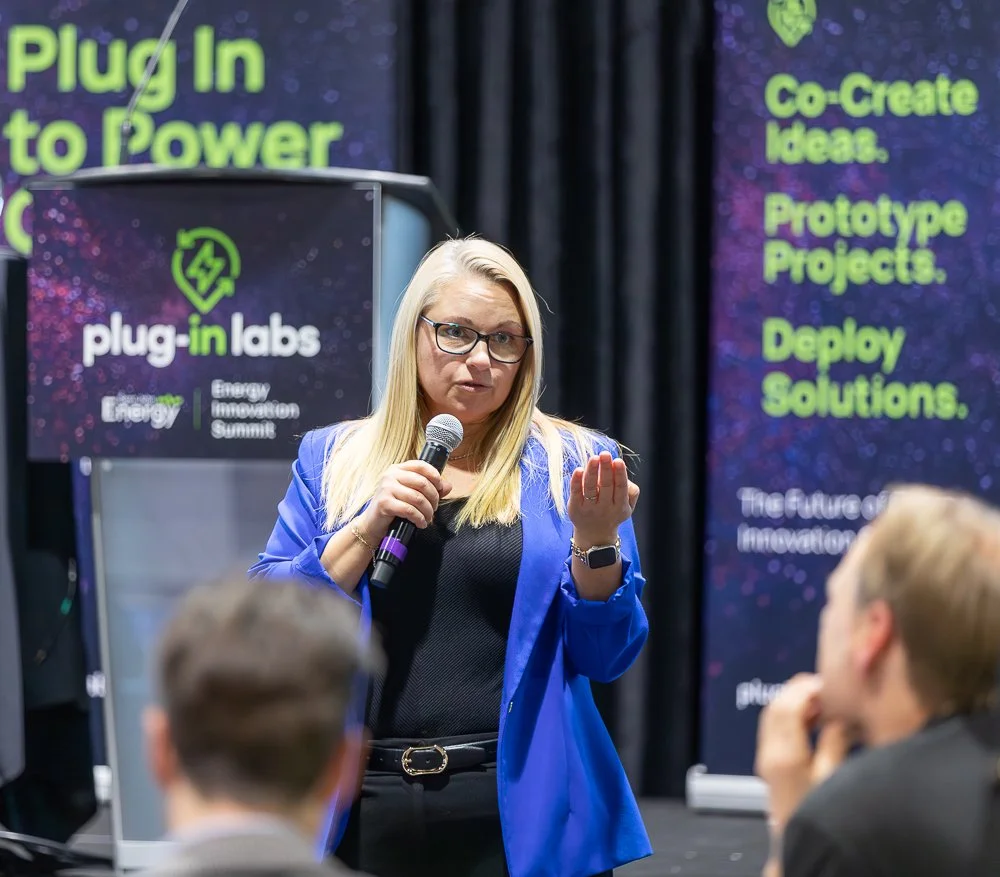
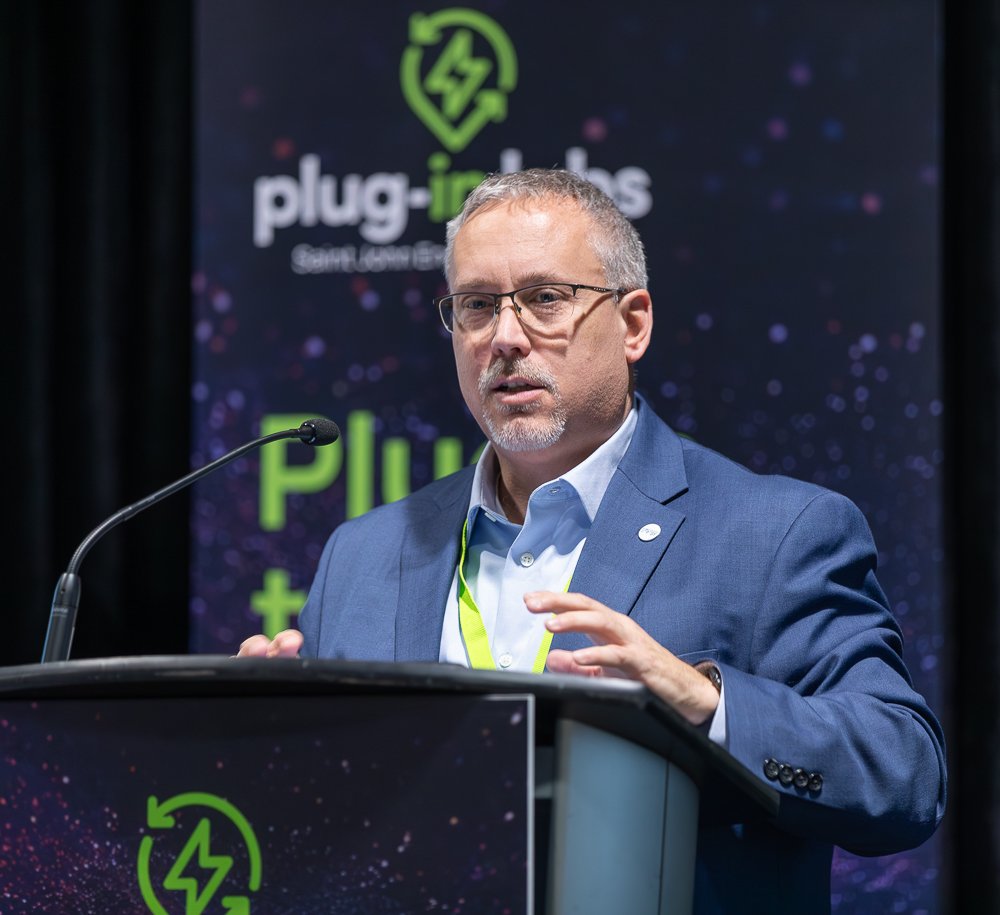
At the final presentations, teams shared ideas that ranged from immediately testable to boldly aspirational.
As one participant admitted, “There were some great ideas from the other teams, which we stole.”
The room laughed, but the comment captured exactly what we’d hoped the summit would encourage: openness, shared problem-solving, and the belief that better ideas emerge when people work across disciplines.
Plug in, power up
Since the summit, we’ve been working with a number of delegates to develop their early-stage ideas, including a collaboration with Concordia University’s Next Generation Cities Institute to identify and prioritize building upgrades for energy customers, and a second to model in-home demand response at scale. I’m excited to see what this project might mean for our utility and our customers.
And we’re thrilled to be partnering with the New Brunswick Community College at its Grandview Avenue campus in Saint John as it establishes its microgrid and digital twin. (Click here for more on these projects.) We expect to announce at least one more project this year. Stay tuned.
The summit showed the value of intentionally creating space to think broadly, test assumptions, and bring together people who don’t usually find themselves at the same table. This fall, at our second annual summit, we’ll get to share early-stage results from our first batch of projects, as well as a roadmap for Plug-In Labs for the next few years.
Since launching Plug-In Labs on June 5, I’ve been wowed by the incredible response. In the first 48 hours after the announcement, we received over 20 inquiries from potential partners. I get a little giddy when I think of all of the potential projects we might build together with data powering innovation.
To learn more about Plug-In Labs, share a project idea, or get on the invite list for the 2026 Energy Innovation Summit, click here.

Glen Fillmore is Vice-President, Strategic Growth and Transformation at Saint John Energy.